
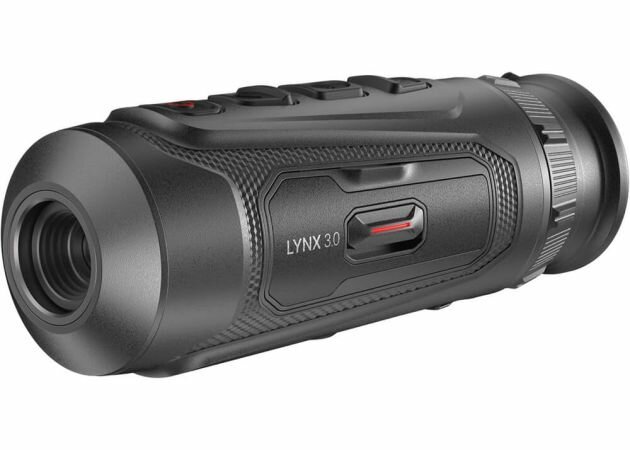
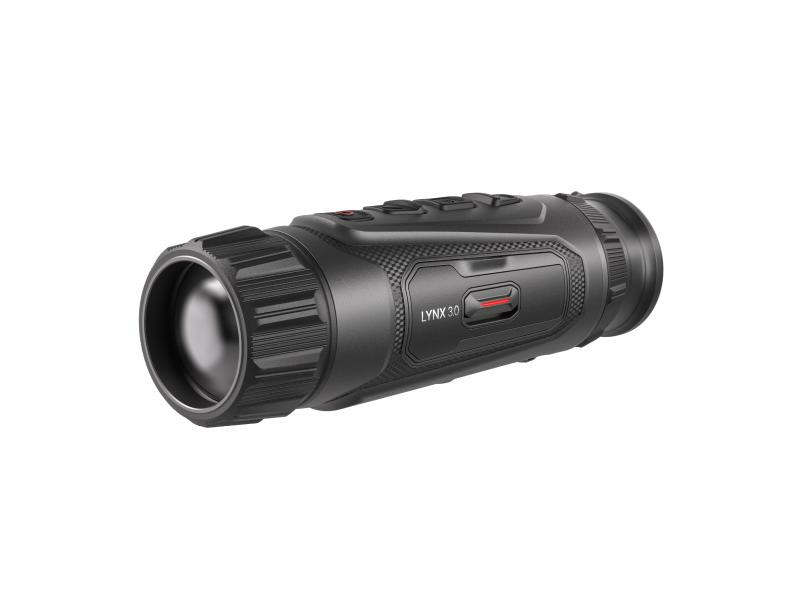
HIKMICRO LYNX 3.0: affordable thermal that actually performs
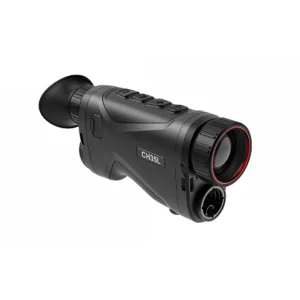
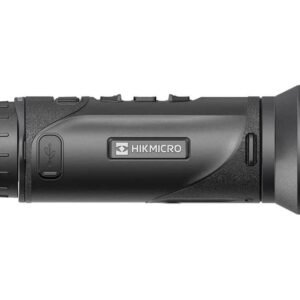
The LYNX 3.0 proves you don’t need to spend a fortune to find game after dark. HIKMICRO keeps the price down with efficient 256×192 and 384×288 sensors rather than a big cooled core and puts the money where it counts: a clean image, a bright display, and a body light enough to live in your pocket. For a first thermal or a second unit for the truck or tracking team, it’s hard to beat on value.
256 or 384: Which LYNX sensor do you need?
The letter in the model name tells you the sensor. The LE models (LC06S, LE10, LE15) use a 256×192 core, which is the most affordable and perfect for close-to-mid-range scanning, checking fields and finding downed game. The LH models (LH15, LH25, LH35) step up to a 384×288 sensor for a sharper, more detailed image and longer identification range. If you can afford it, the LH25 is the best value for most hunters. The full trade-off is explained in our guide to 384 vs 640 thermal.
Lens size and detection range
The number is the lens in millimeters, and it sets your reach. A short 6.6 mm or 10 mm lens gives a wide field for fast scanning up close, while a 25 mm or 35 mm lens reaches out to spot a fox or deer across open ground. Match the lens to how you hunt: woodland and close cover want a wide view; open fields and hill country want reach.
Built for the field, easy to live with
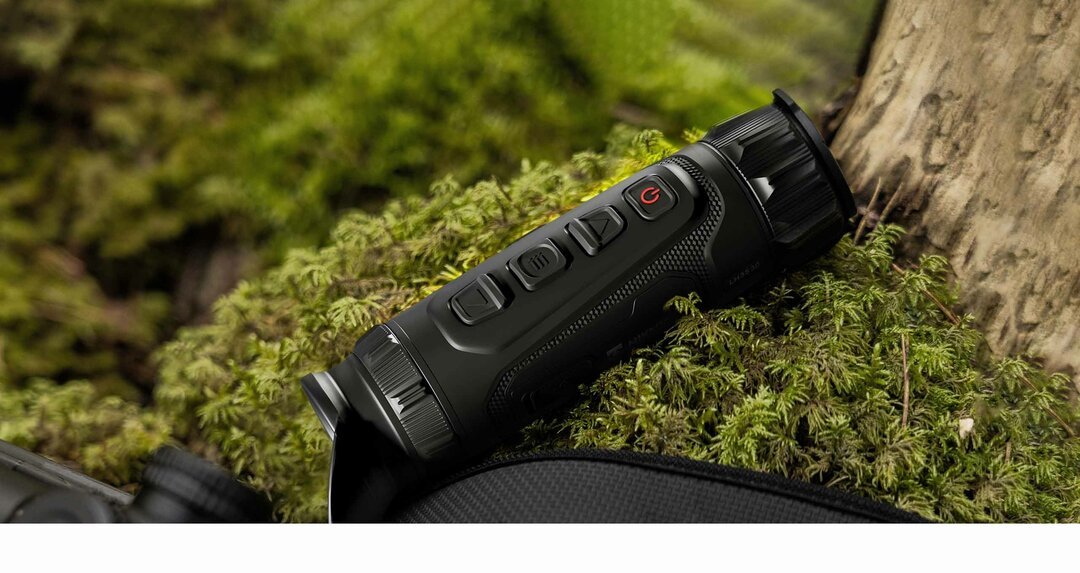
Every LYNX 3.0 runs a fast refresh for smooth tracking, a rechargeable battery you top up over USB-C, and a rugged, weather-resistant body. It is simple enough for a first-time user and reliable enough to earn its place in the kit bag. UK foxers, US varmint and hog hunters, Canadian predator callers, and Aussie pig hunters all use a unit like this as their go-to scanner.
Upgrading from the LYNX 2.0?
If you ran the HIKMICRO LYNX 2.0, the 3.0 sharpens the image, improves the interface, and refines the ergonomics while holding the same accessible price. It is a worthwhile step up for image quality alone.
Choose your model by sensor resolution and lens. A bigger number after the letter means a longer lens and more range; H models use the sharper 384 sensor.
| Model | Sensor | Lens | Detection range* | Best for | price |
|---|---|---|---|---|---|
| LC06S | 256×192 | 6.6 mm | ~330 m | Pocket scanning, recovery | €329 |
| LE10 | 256×192 | 10 mm | ~500 m | Close-range spotting | €399 |
| LE15 | 256×192 | 15 mm | ~730 m | Wider-range 256 value | €579 |
| LH15 | 384×288 | 15 mm | ~700 m | Sharp image, wide field | €699 |
| LH25 | 384×288 | 25 mm | ~1,200 m | The all-round sweet spot | €949 |
| LH35 | 384×288 | 35 mm | ~1,600 m | Longest reach in the range | €1,199 |
- Legacy comparison: HIKMICRO LYNX 2.0
- Step up in image quality: HIKMICRO FALCON
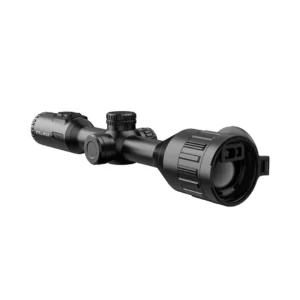
- Pair for shooting: scan with the LYNX, then shoot with the HIKMICRO STELLAR SQ50L 3.0 thermal scope
- Guides: how to choose a thermal monocular · best thermal monocular for hunting · complete guide to thermal imaging for hunting
Reviews
There are no reviews yet.