How Much Does a Thermal Scope or Monocular Cost? (2026 Price Guide)
A thermal scope costs from around €1,000 for an entry model to over €5,000 for a flagship with a built-in rangefinder, while thermal monoculars start from around €420. Most hunters spend between €1,500 and €3,000 for a capable device that lasts for years. What you pay comes down mainly to sensor resolution, thermal sensitivity, and whether the device includes a rangefinder, so this guide breaks down real prices and shows where your money goes.
It sits within our complete guide to thermal imaging for hunting. The prices below are guide figures in euros and vary by model and stock availability.
How much does a thermal scope cost?
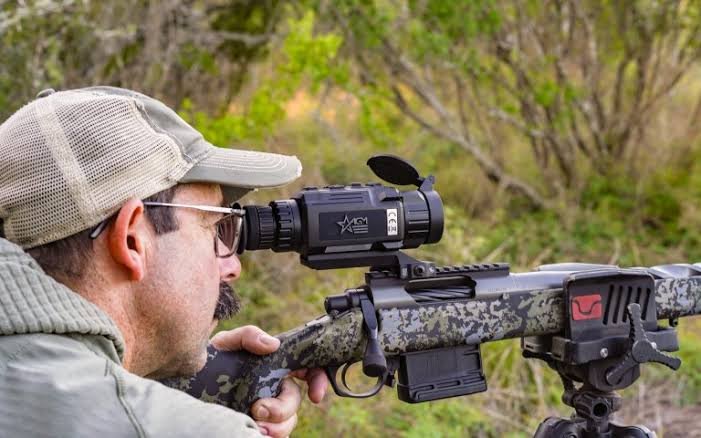
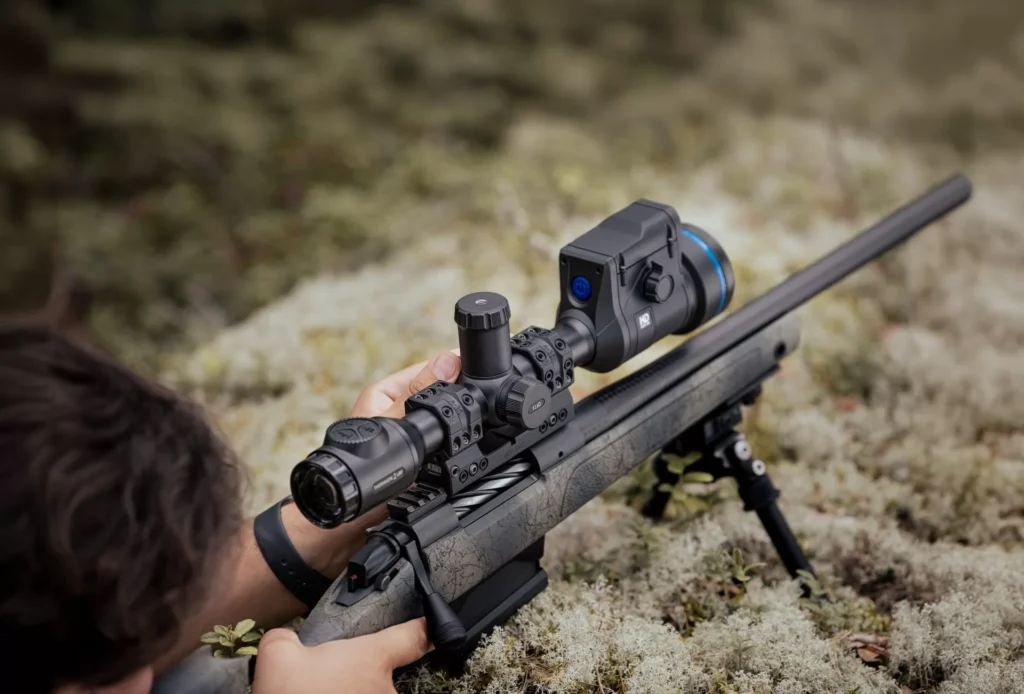
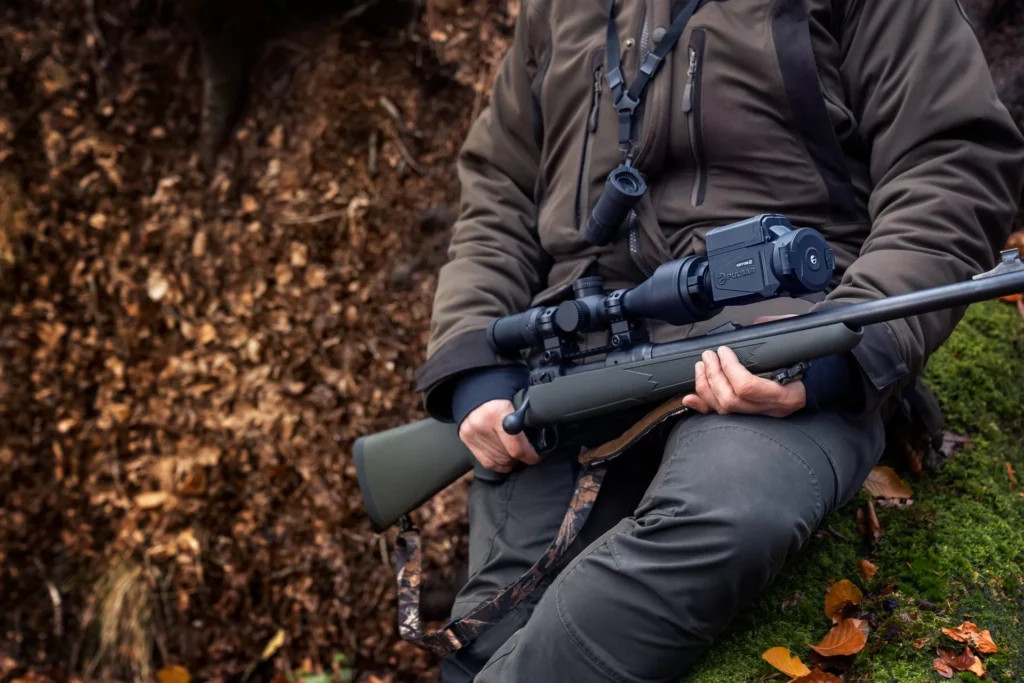
Thermal riflescopes are the most expensive thermal device because they combine a thermal core with a shooting-grade, recoil-rated sight. Here is the lie of the land.
| Budget | What you get | Example |
|---|---|---|
| €1,000 to €2,000 | Entry-level to mid-range 384 thermal scope | AGM Rattler TS35-384 |
| €2,000 to €3,500 | Strong 384 or 640 scope, some with LRF | Pulsar Thermion 2, ThermTec Ares |
| €3,500 to €5,000 | Flagship 640 or HD with rangefinder and ballistics | Pulsar Thermion 2 LRF, ThermTec Ares 650 LRF |
| €5,000+ | Top HD long-range and multispectral | HD and Duo models |
How much does a thermal monocular cost?
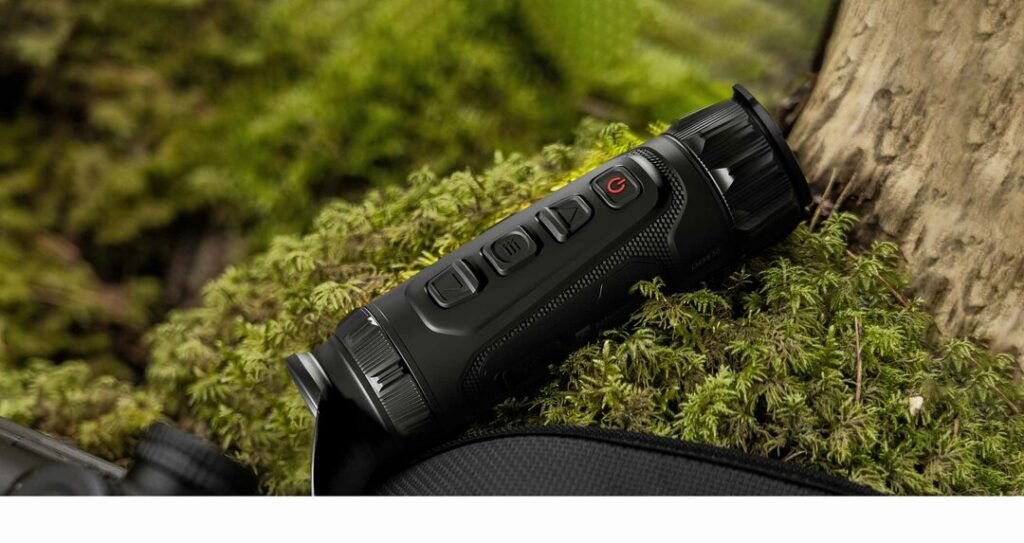
Thermal monoculars are the most affordable way into thermal imaging because they are handheld scanners without a shooting-grade mount. Entry units start from around €420, mid-range 384 models sit between €1,000 and €2,000, and flagship 640 monoculars run from roughly €2,300 to €3,300.
| Budget | What you get | Example |
|---|---|---|
| €400 to €900 | Entry 160 or 256 monocular | AGM Asp-Micro TM-160 (€423) |
| €1,000 to €2,000 | Capable 384 monocular | AGM Taipan and Sidewinder 384 |
| €2,000 to €3,300 | 640 monocular, some with LRF | AGM Sidewinder TM50-640, Pulsar Telos |
See the range on the thermal monoculars page.
What drives the price of a thermal device?
Five things push the price up. Higher sensor resolution (640 costs more than 384, which costs more than 256) is the biggest factor. A lower NETD, meaning higher thermal sensitivity, adds cost. A longer, faster lens increases both reach and price. A built-in laser rangefinder and ballistic calculator add a clear premium. And extras like HD displays, higher-capacity recording, and a premium build all add up. Understanding this is why we always say spend on the sensor first; the reasoning is in 384 vs 640 thermal.
Price by sensor resolution
| Sensor | Monocular from | Scope from |
|---|---|---|
| 160 / 256 | ~€420 | Rare in scopes |
| 384×288 | ~€1,150 | ~€1,000 to €2,000 |
| 640×512 | ~€2,300 | ~€2,300 to €4,000 |
| HD 1024×768 | Premium | ~€4,000+ |
Are cheap thermal scopes worth it?
A budget thermal device is worth it if you match your expectations to it. An entry-level 160 or 256 monocular is a genuinely useful scanner and recovery tool and a great first thermal. What disappoints is buying the cheapest option while expecting long-range identification, which needs a bigger sensor. Our honest advice is to buy the best sensor you can afford rather than the most magnification and to avoid unknown, unsupported brands where warranty and service are uncertain.
How to get the best value
Spend on resolution first, then the lens for your range, and treat digital zoom and extras as secondary. Buy from a retailer that handles the warranty and offers real support, so a fault does not leave you stranded. And consider a monocular first: it is the cheapest device that solves the hardest part of night hunting, which is finding game. If you want help matching a budget to a device, contact us.
Frequently asked questions
Why are thermal scopes so expensive?
Thermal scopes are costly because they pair an expensive thermal sensor and germanium optics with a recoil-rated, shooting-grade sight, plus features like rangefinders, ballistic calculators, and HD displays. The thermal sensor alone is a precision component, and higher resolutions cost significantly more to produce. You are paying for the ability to detect, identify, and accurately shoot game in complete darkness.
What is a good budget for a first thermal?
For a first thermal, a budget of €1,000 to €2,000 buys a capable 384 monocular or an entry scope that will serve you well. If you only want to scan and find game, a 384 monocular priced around €1,000 to €1,500 offers excellent value. Spend more only when you need long-range identification or a dedicated shooting scope.
Do thermal scopes hold their value?
Quality thermal optics from established brands hold their value reasonably well, especially current models kept in excellent condition with their accessories and boxes. Buying a well-supported brand with a strong warranty helps both resale and long-term ownership. Cheap, unsupported units tend to lose value quickly.
Is a thermal monocular cheaper than a scope?
Yes. A thermal monocular is usually the cheapest thermal device, starting from around €420, because it is a handheld scanner without a recoil-rated shooting mount. A thermal scope starts higher, from around €1,000, since it is built to mount on a rifle and hold zero under recoil.
Hidden costs to budget for
The device price is not the whole cost, so plan for a few extras. Spare batteries or a power bank keep you running through long nights. A scope needs a set of quality mounts or rings, and a clip-on requires a stable mount. Thermal zeroing targets, a durable case for transport, and a spare lens cloth are worth having. Firmware and app features are usually free, but consider the value of buying from a retailer that handles the warranty and offers support, as a repair or service turnaround can incur real costs if you have to deal with a manufacturer overseas. Contact Blackreckon for inquiries.
Quick facts: thermal scope and monocular cost
| Thermal monocular from | ~€420 |
|---|---|
| Thermal scope from | ~€1,000 |
| Typical hunter spend | €1,500 to €3,000 |
| Flagship with LRF | €3,500 to €5,000+ |
| Biggest price driver | Sensor resolution |
| Best value tip | Buy sensor first, not the magnification. |