
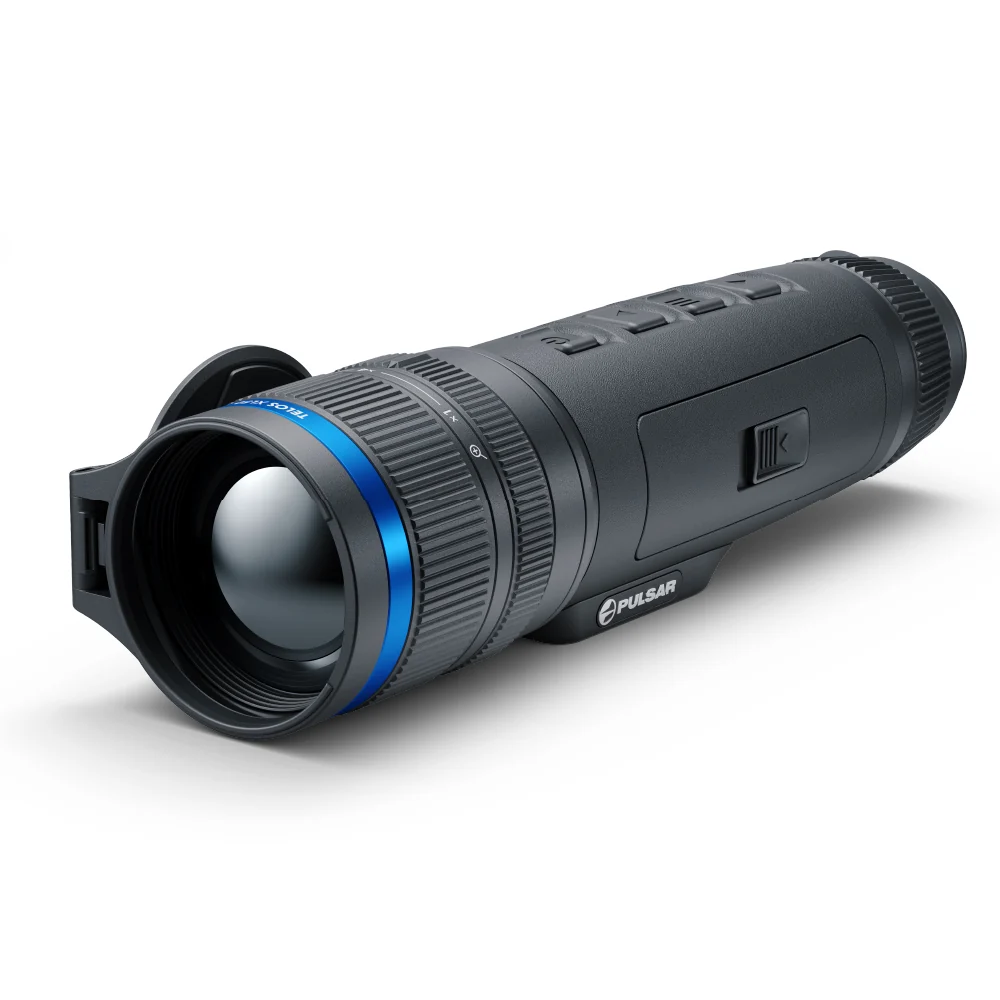
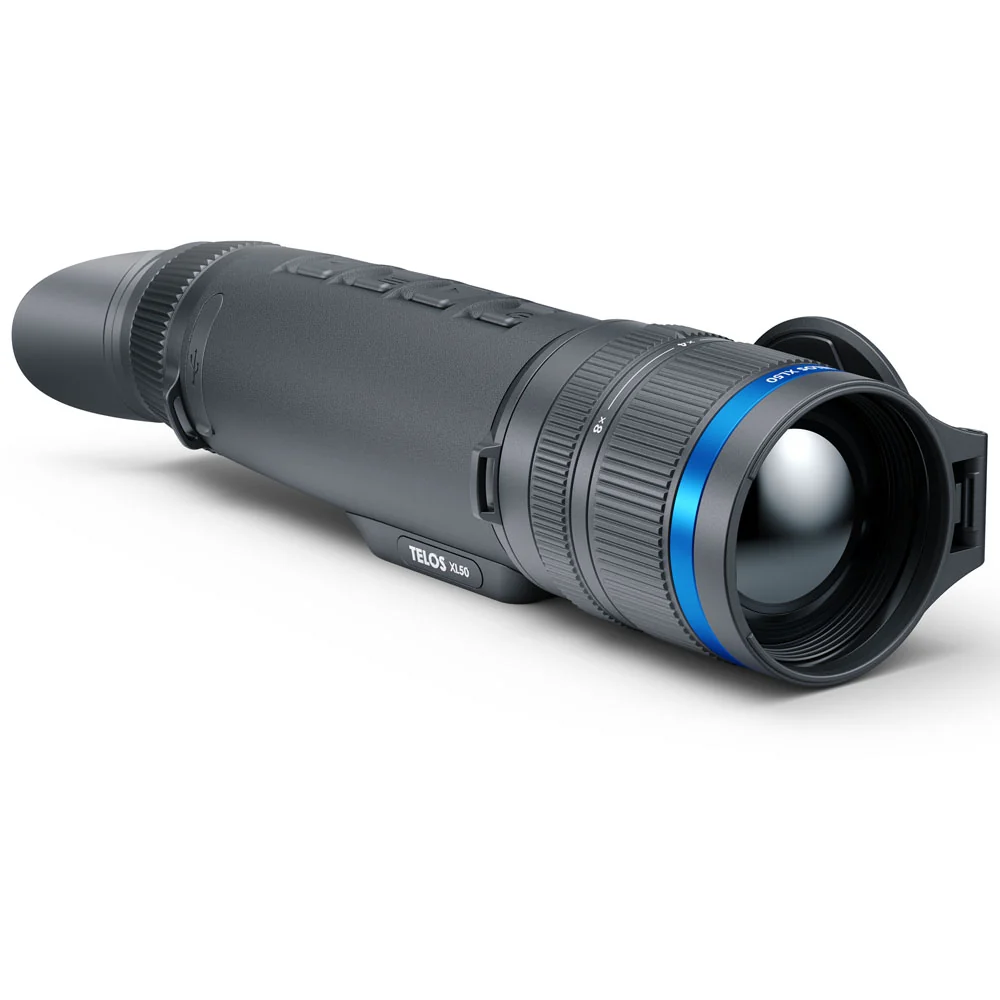
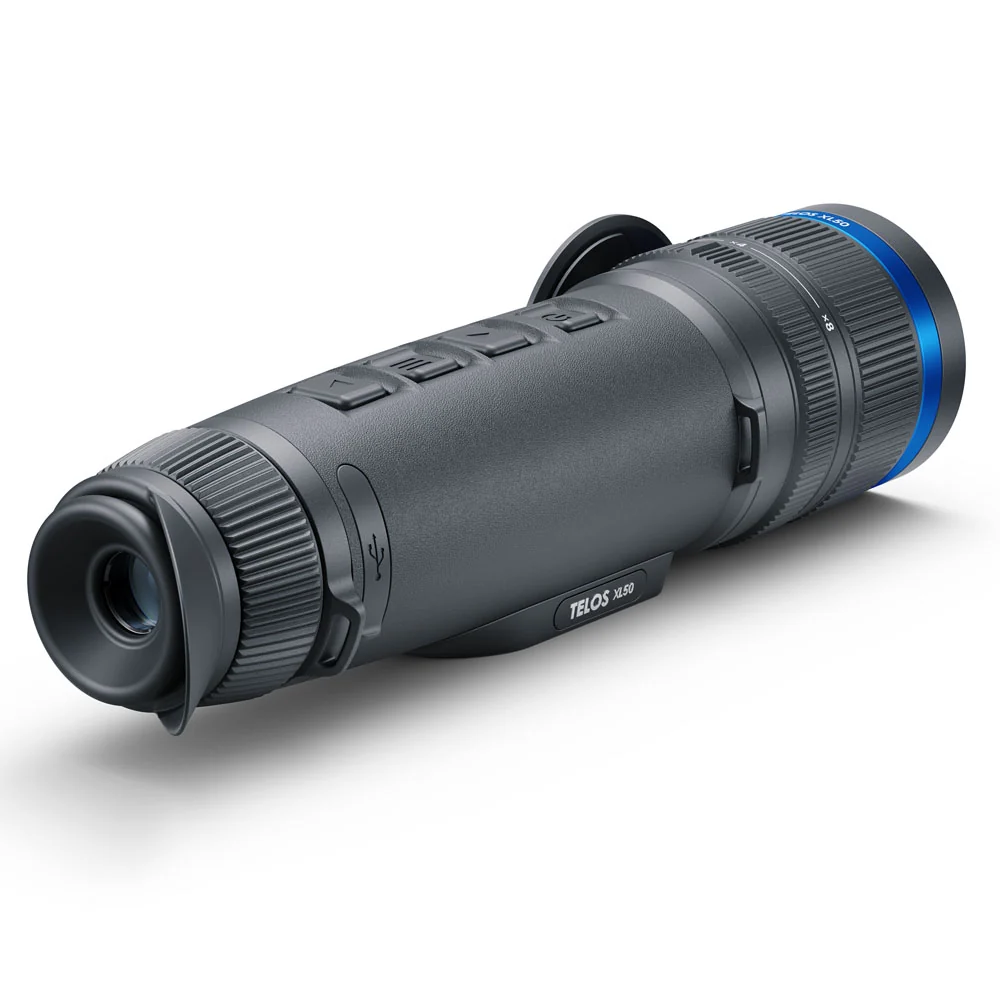
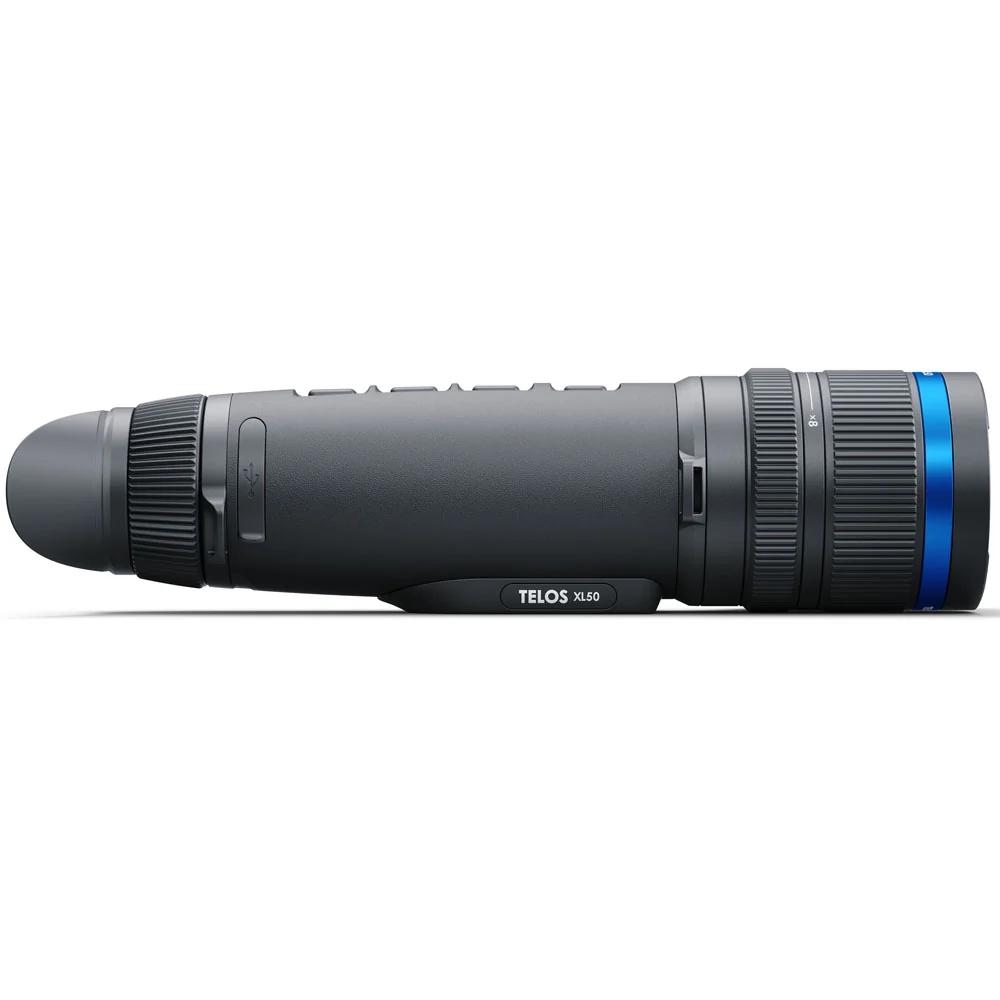
Pulsar Telos XL50 comprehensive review
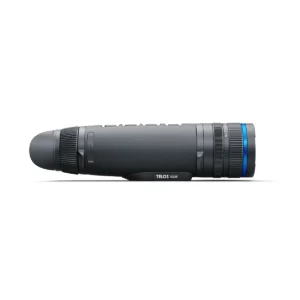
The Pulsar Telos XL50 brought HD resolution to Pulsar’s handheld line. Its 1024×768, 12-micron sensor gives detailed, high-definition images and strong digital zoom, so you can push in on a distant animal and keep the detail needed to identify it. It sits between the flagship XT50 and the 640 models, offering HD quality at a more accessible price.
The fast F50/1.0 germanium lens and Image Boost processing produce clean, sharp images with excellent dynamic range. Detection reaches over 2,300 m, comfortably covering open-ground scanning. The upgradeable Telos platform lets you add capabilities later instead of replacing the device.
The LRF version adds a laser rangefinder accurate to a metre out to 1,000 m, enabling confident distance calls. The LPS7i battery runs up to 8 hours, the rubberized housing handles hard field use from -25 to +50°C, and Stream Vision 2 covers recording and app control. For HD detail without the flagship price, the XL50 is a strong pick.
Key features and specifications
| Technical specification | Field performance value |
|---|---|
| Sensor resolution | 1024×768, 12 microns (HD) |
| System NETD (thermal sensitivity) | Below 40 mK |
| Objective lens | 50 mm F/1.0 germanium |
| Magnification | Wide zoom range with HD detail |
| Detection range | Over 2,300 m |
| Laser rangefinder | LRF version: up to 1,000 m (±1 m) |
| Frame rate | 50 Hz |
| Battery life | Up to 8 hours (LPS7i) |
| Protection | Waterproof, -25 to +50°C |
Real-world hunting scenarios and use cases
For a hunter who scans large open ground and wants to study game before a stalk, the XL50’s HD sensor and strong zoom show detail; a 640 monocular starts to lose at high magnification. With the LRF version, you range the animal before repositioning. It suits detailed observation, wildlife study, and long-range scanning.
Is the Telos XL50 worth it over the XP50?
It depends on your priority. The XL50 gives higher HD resolution and better zoom detail, ideal for identification at range. The XP50 gives the best thermal sensitivity for fog and rain. Choose the XL50 for detail and reach, and the XP50 for the cleanest image in challenging weather. shop Pulsar thermal monoculars
Reviews
There are no reviews yet.