
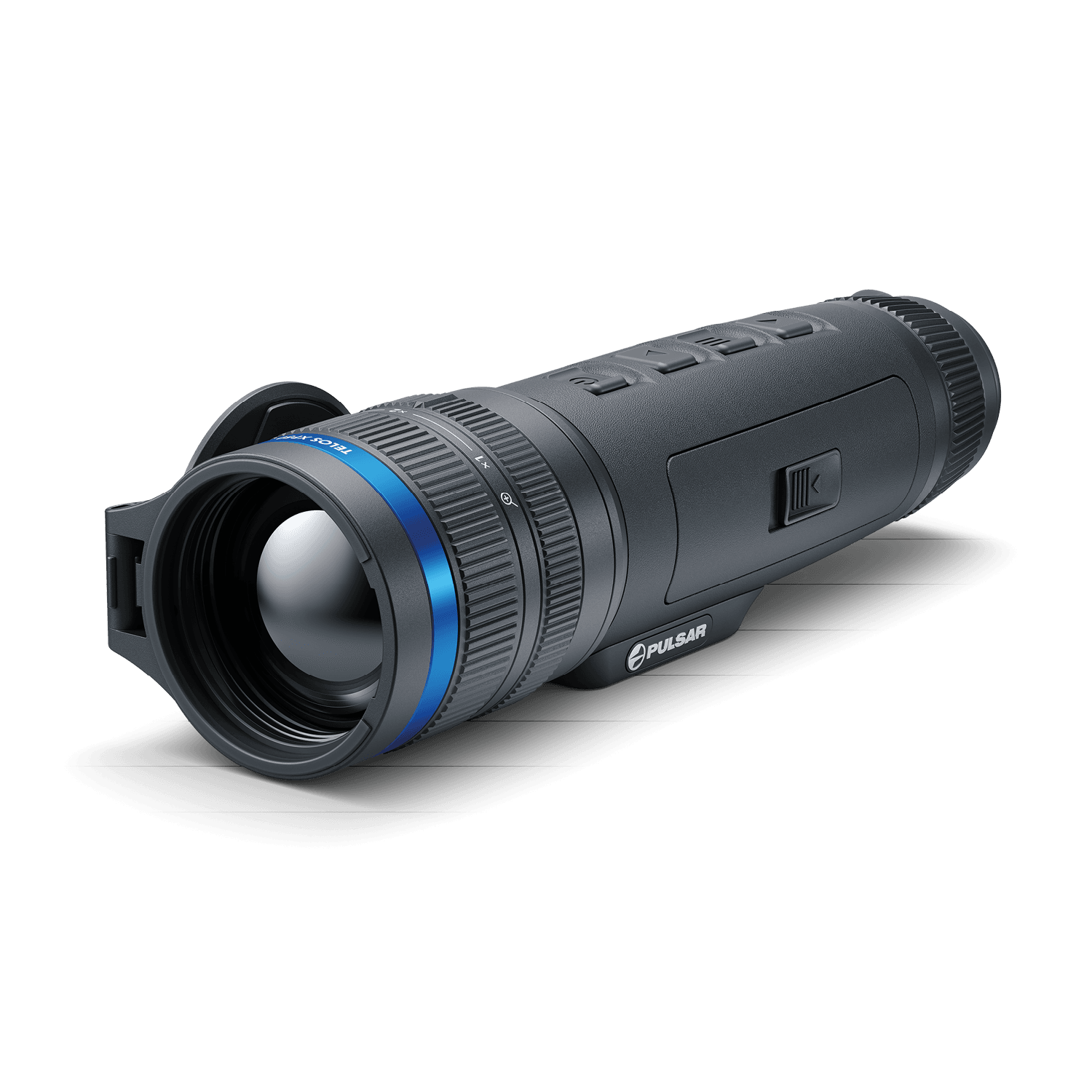
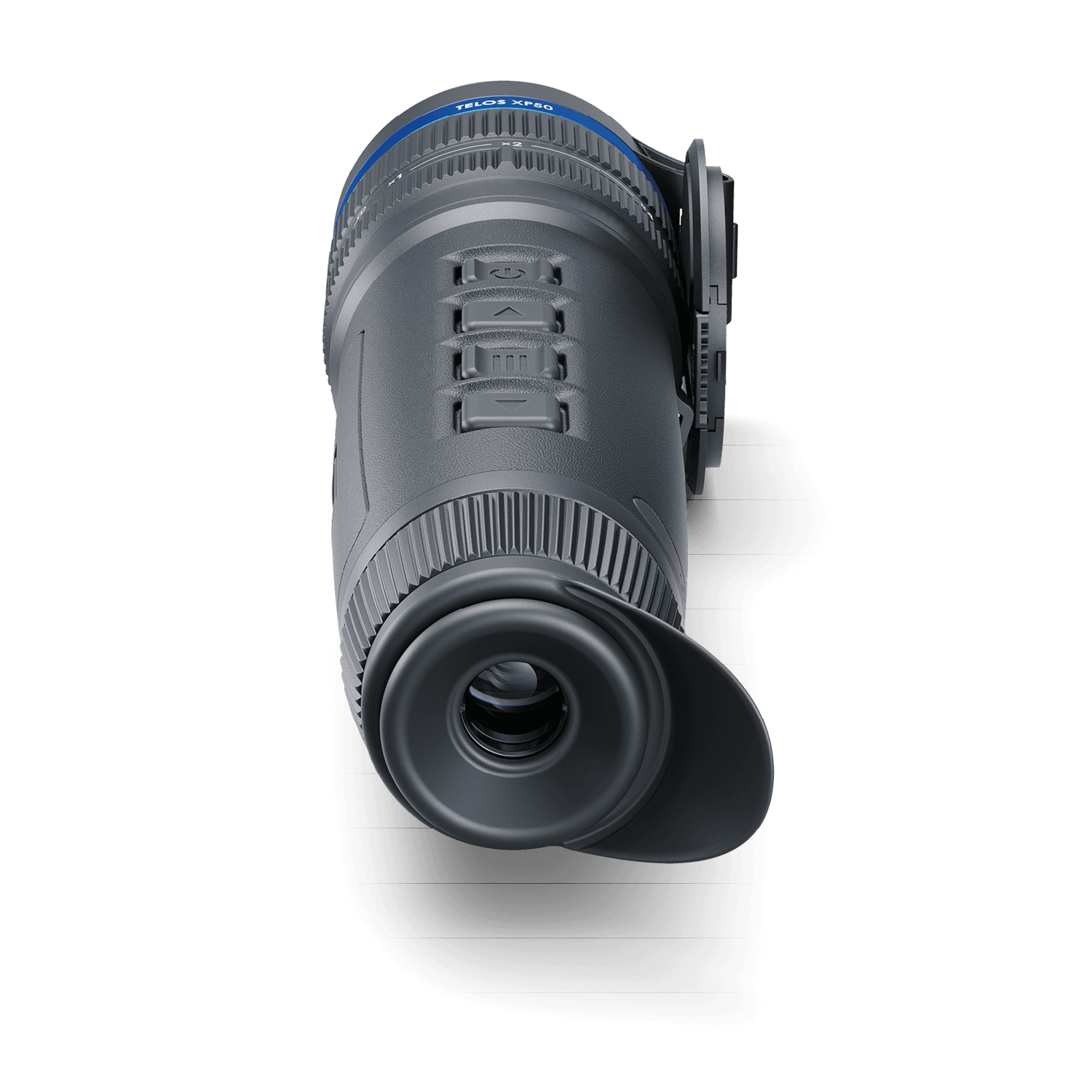
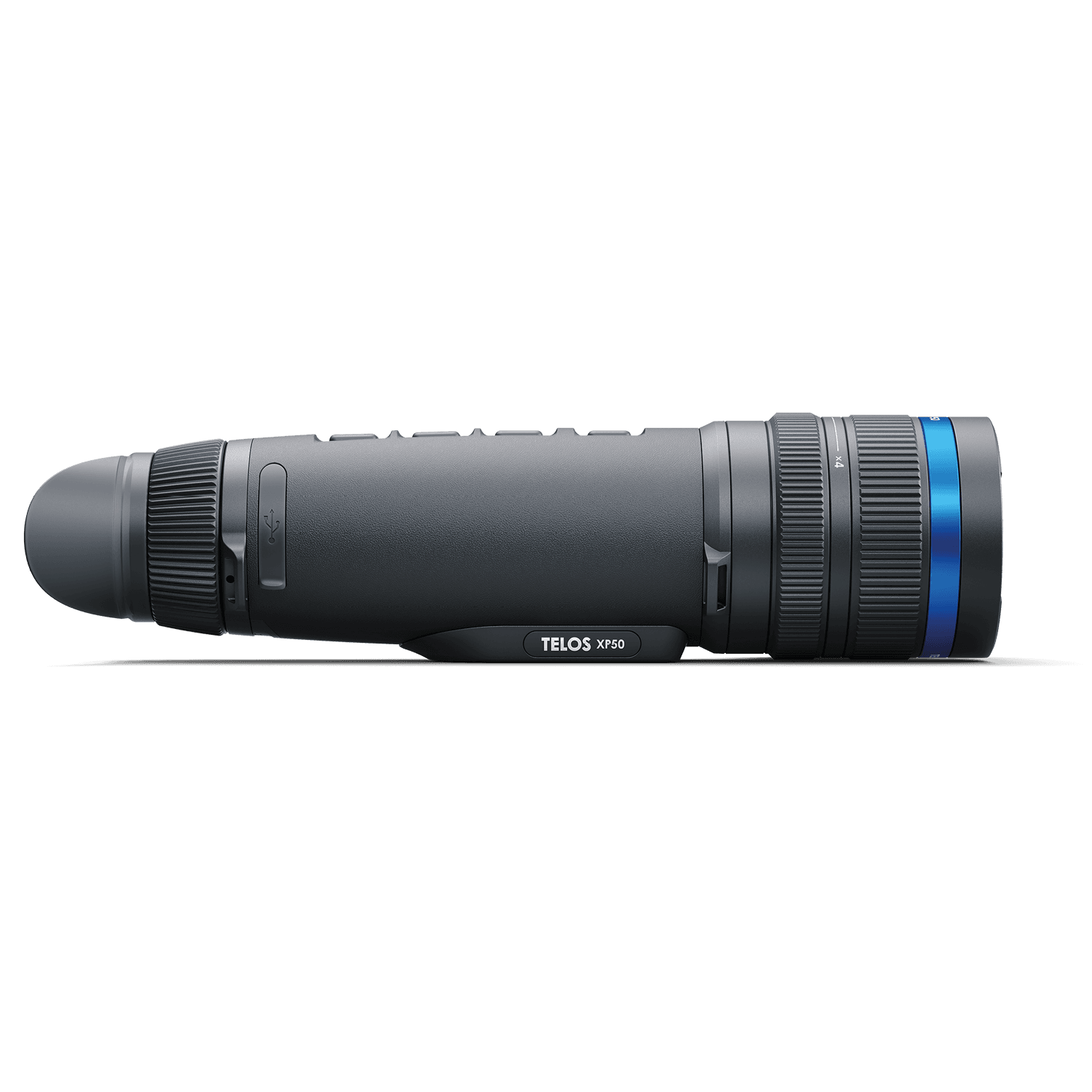
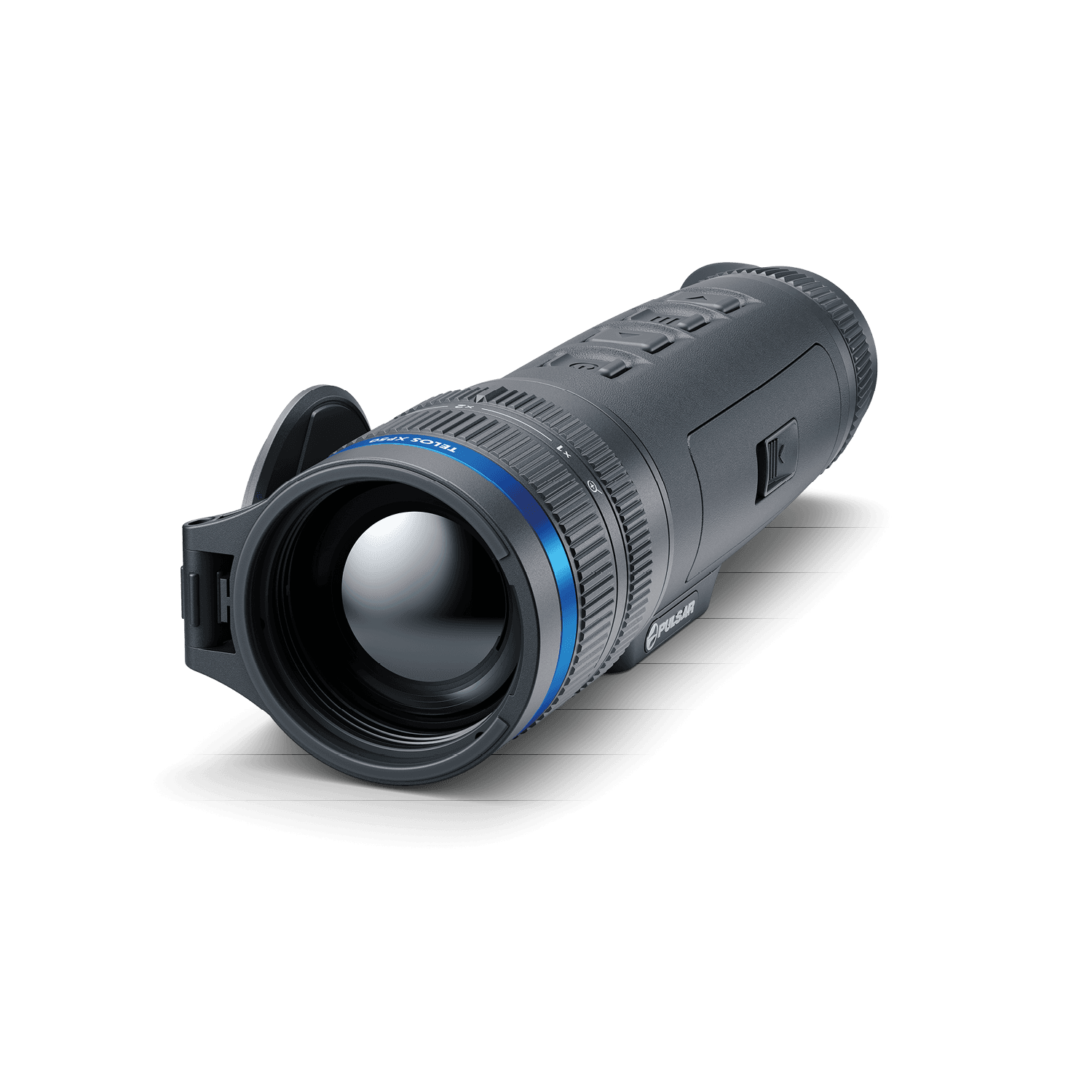
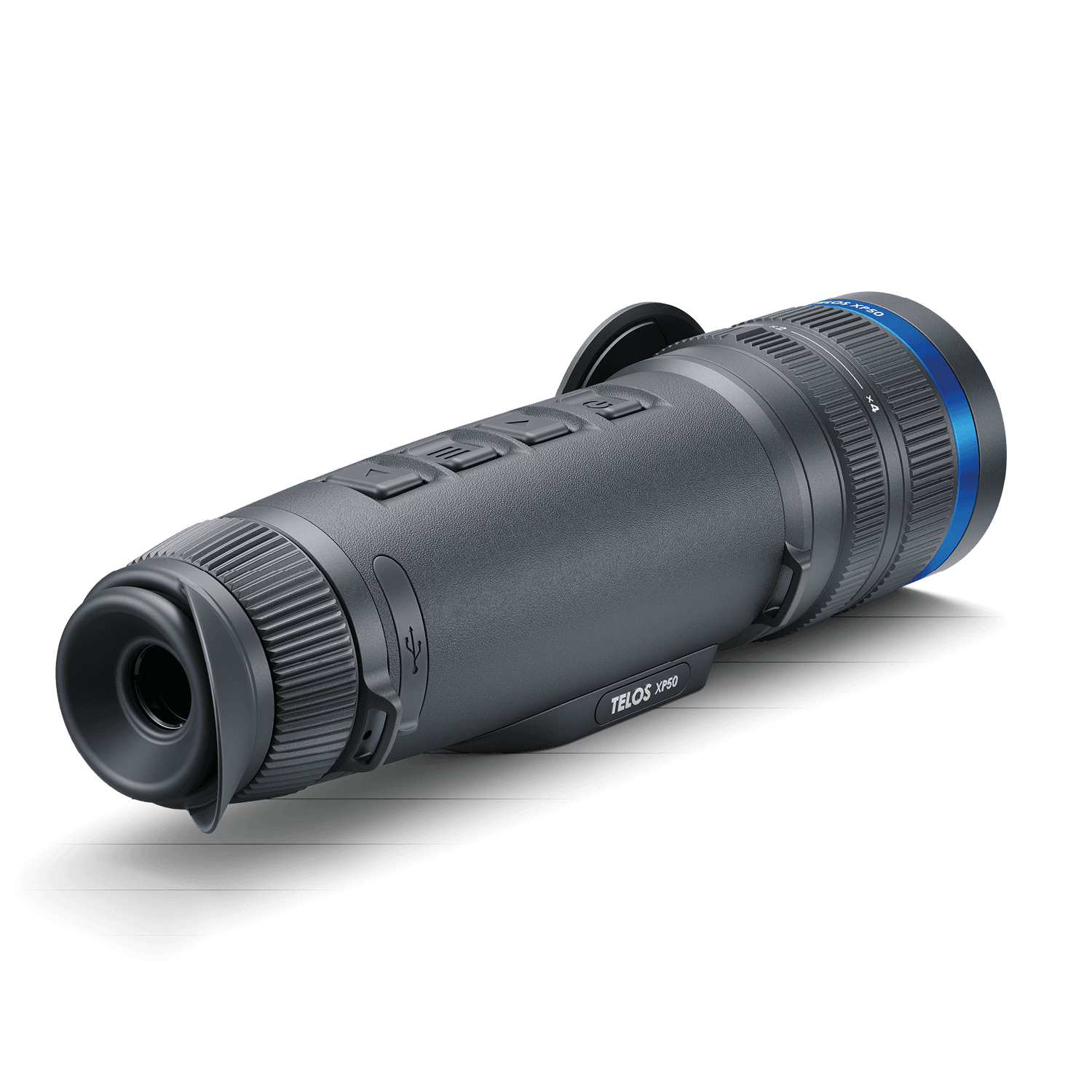
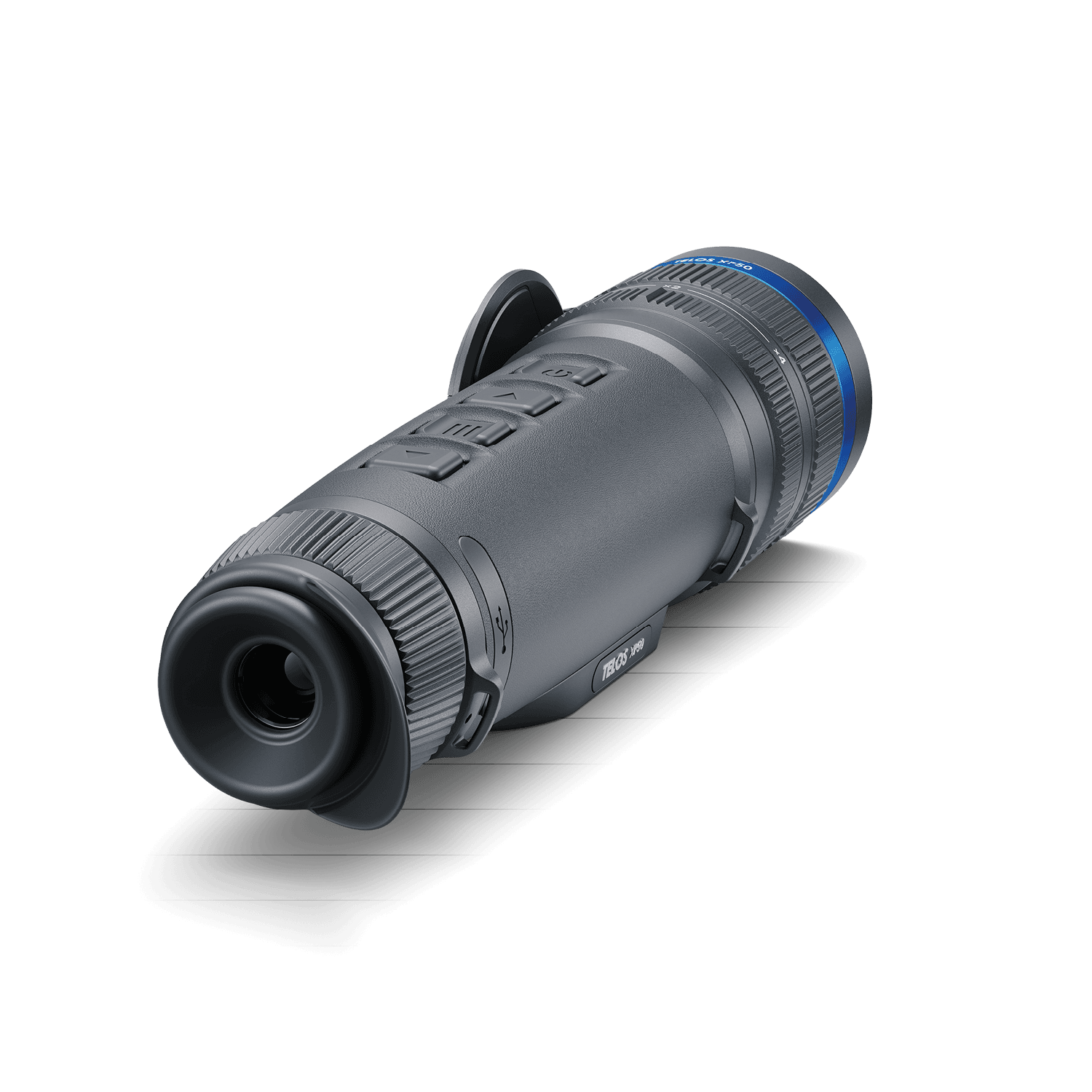
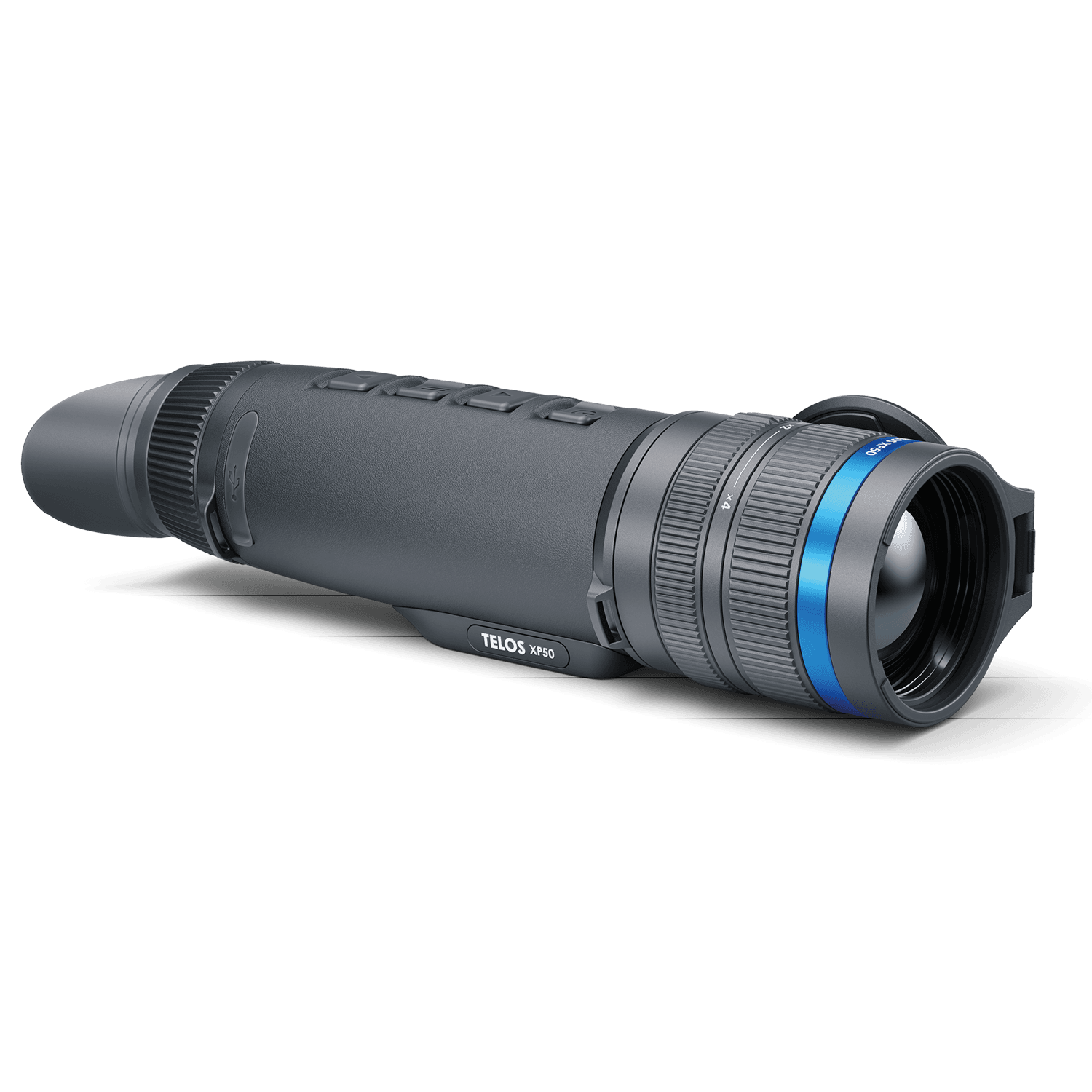
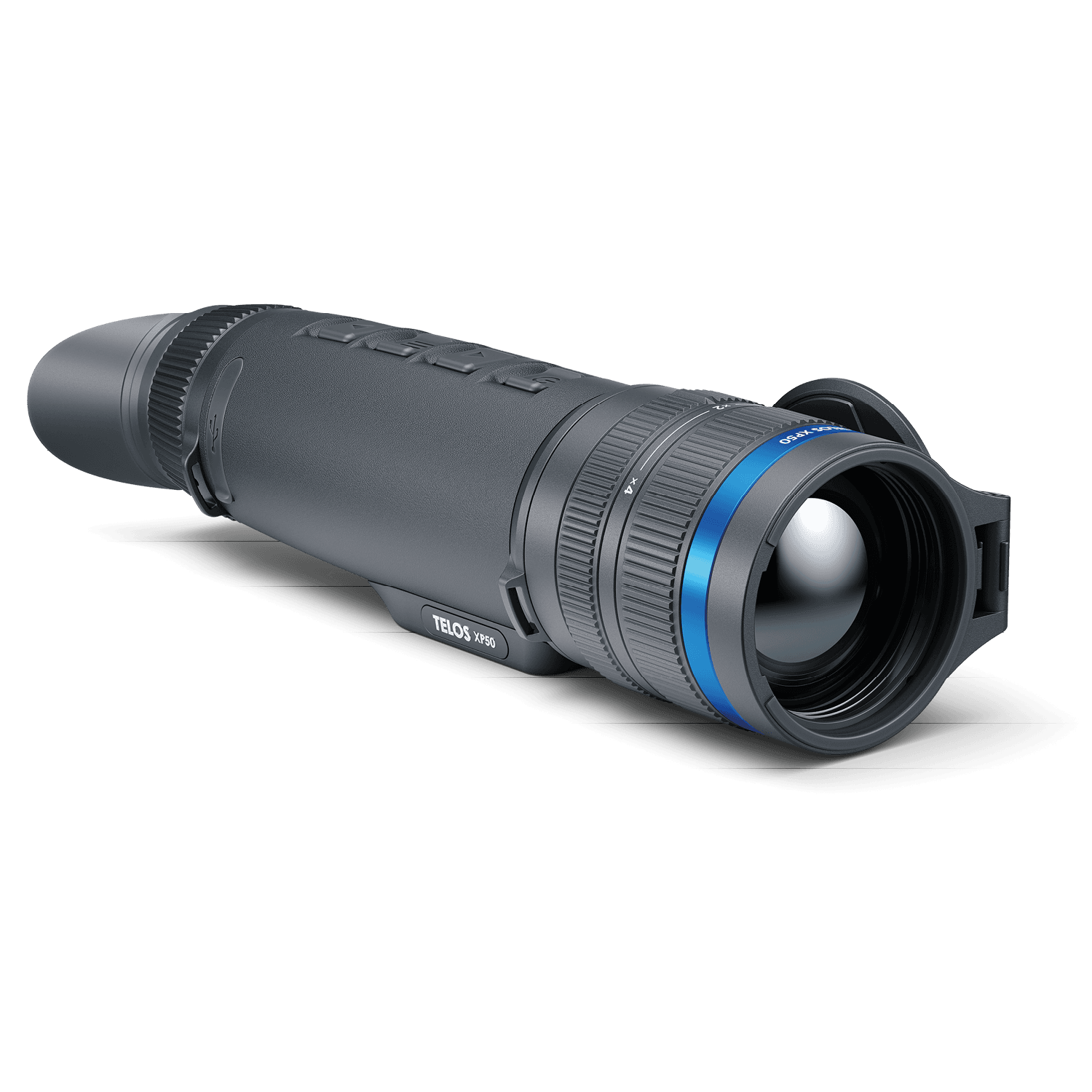
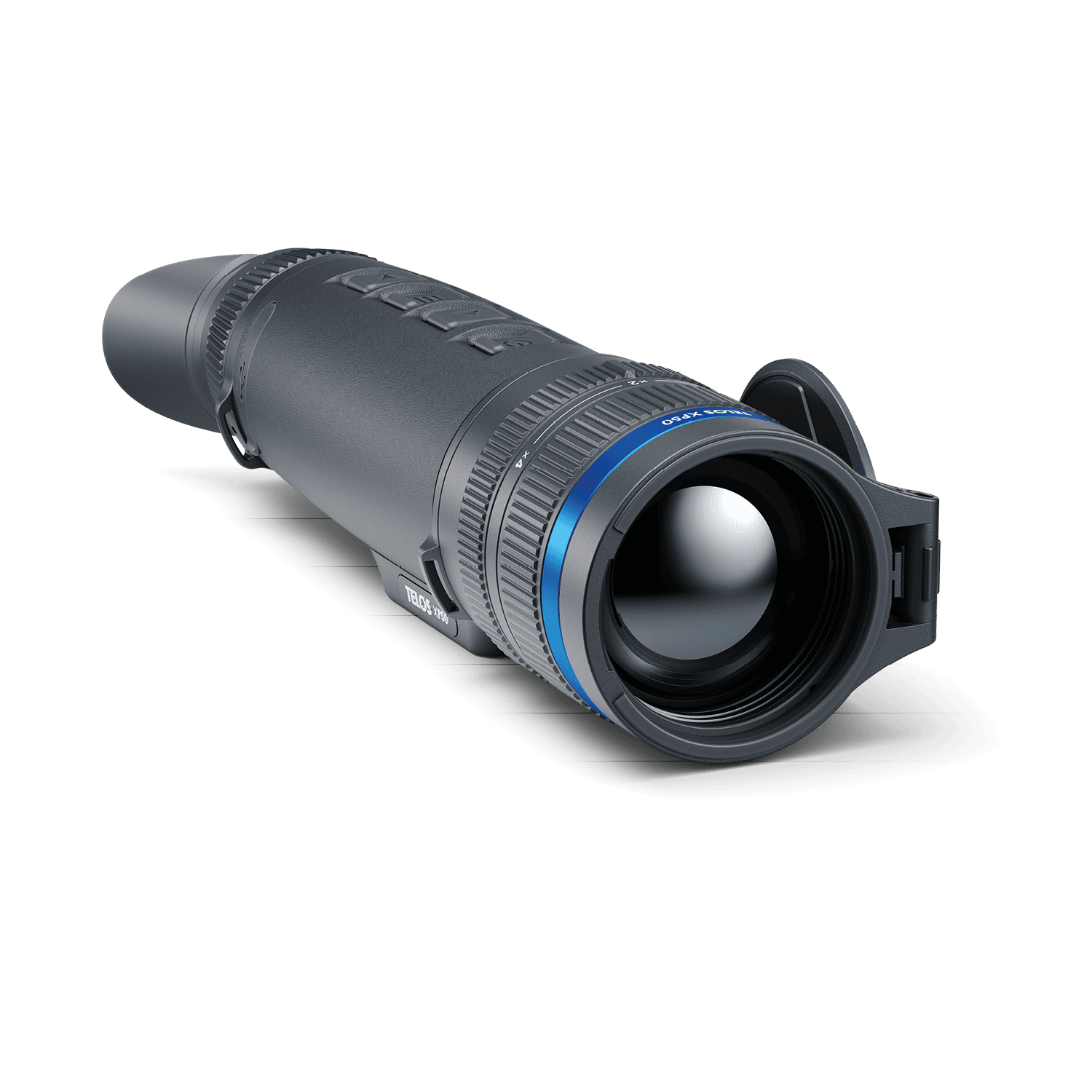
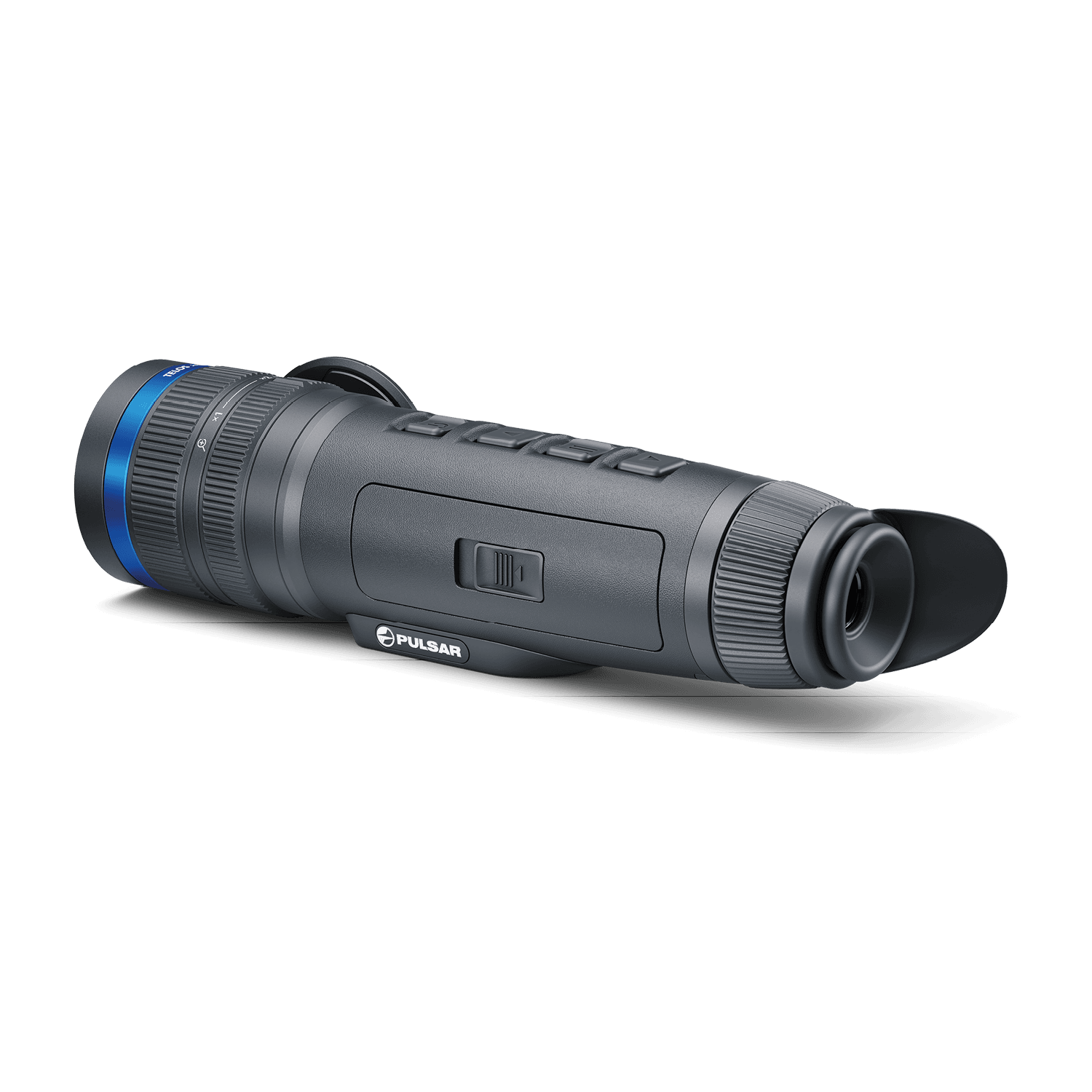
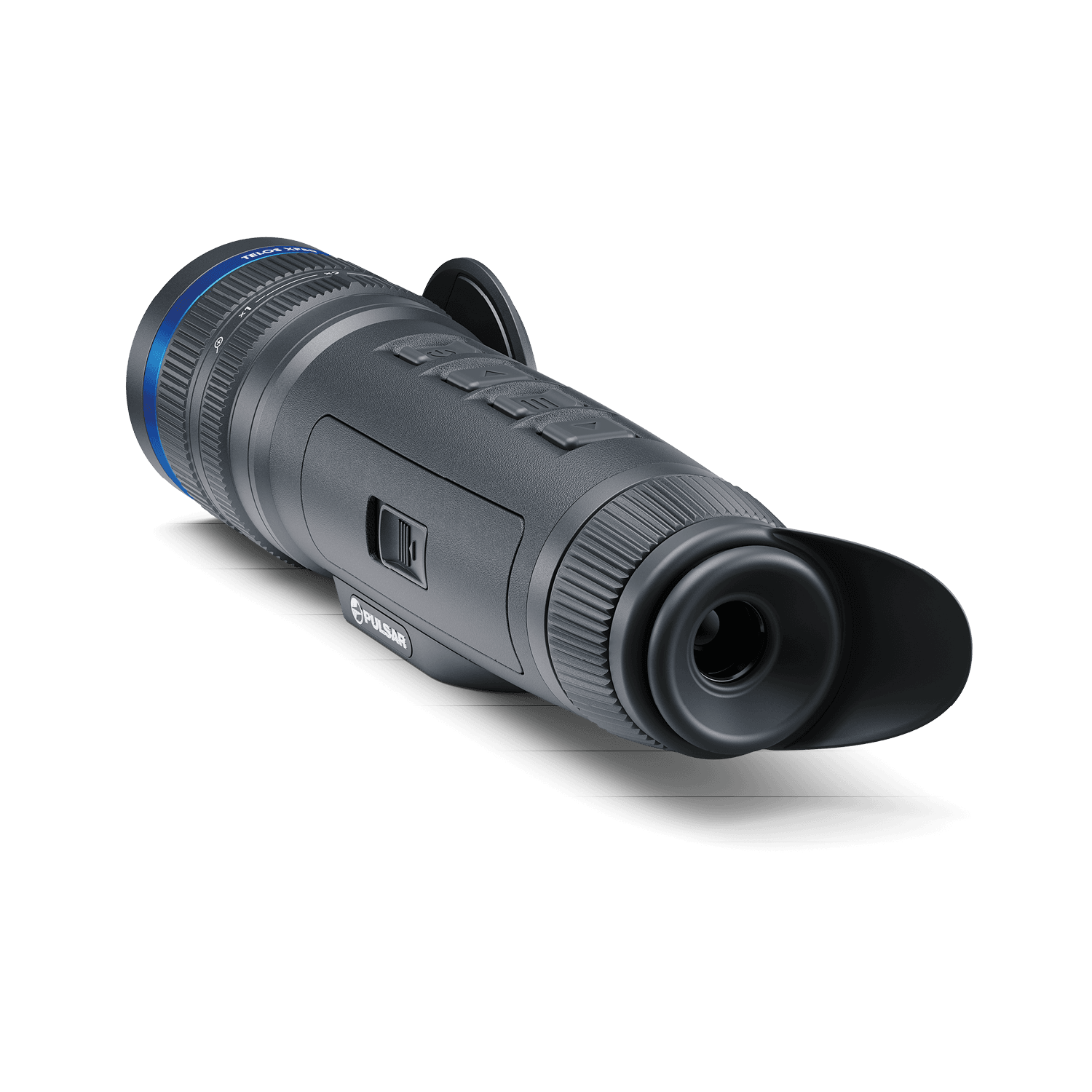
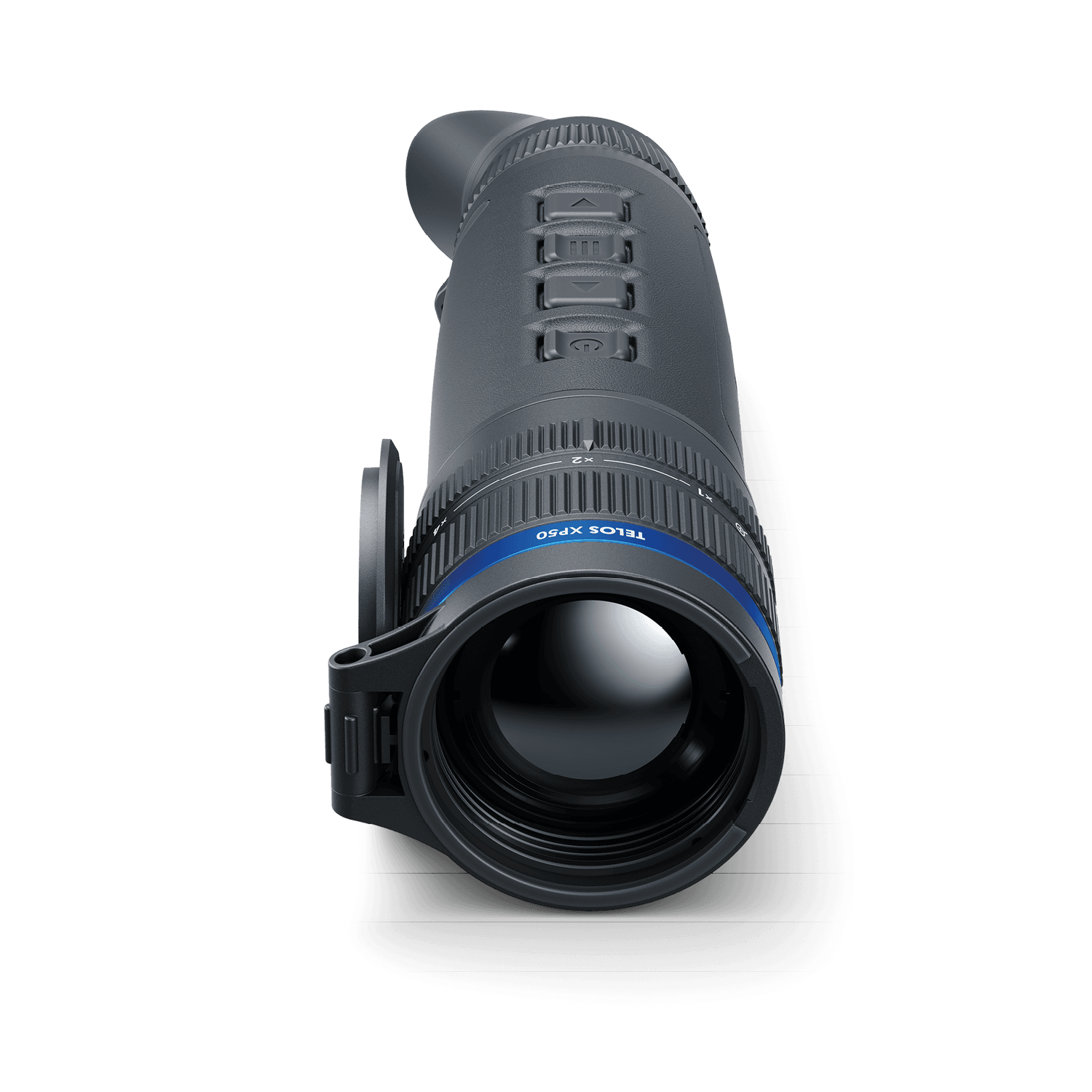
Pulsar Telos XP50 comprehensive review
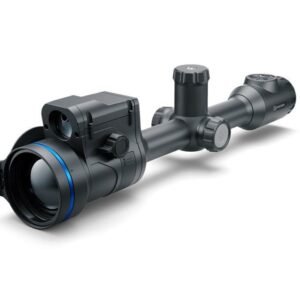
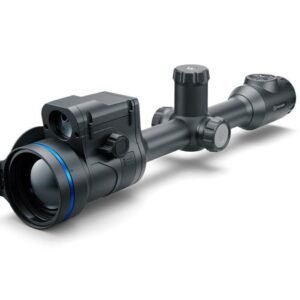
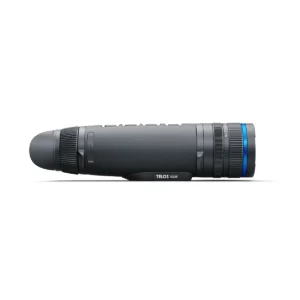
The Pulsar Telos XP50 is, by many accounts, the best-looking image in Pulsar’s handheld line, and the reason is its sensor. The 640×480, 17-micron-core runs an exceptionally low NETD (thermal sensitivity in millikelvins) below 18 mK, which means it separates tiny temperature differences with ease. In plain terms, it renders about 56 shades of grey across a single degree of temperature, giving crisp, detailed images in the toughest conditions.
That sensitivity, paired with the fast F50/1.0 germanium lens, makes the XP50 the pick for damp, humid, and low-contrast European nights. Detection reaches roughly 1,750 m, which is plenty for handheld scanning and identification. The upgradeable Telos platform lets you add features over time.
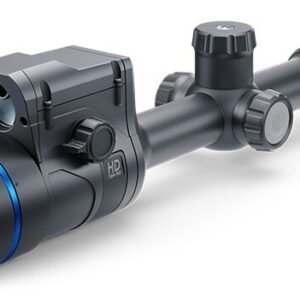
The LRF version adds a laser rangefinder with a range of 1,000 m and metre accuracy, so you can confirm the distance before moving to a rifle. The LPS7i battery runs up to 8 hours, the rubberized housing is fully waterproof, and Stream Vision 2 handles recording and streaming. If image quality in challenging weather matters most, the XP50 is the one.
Key features and specifications
| Technical specification | Field performance value |
|---|---|
| Sensor resolution | 640×480, 17 microns |
| System NETD (thermal sensitivity) | Below 18 mK (best in range) |
| Objective lens | 50 mm F/1.0 germanium |
| Magnification | 2.5-20x |
| Detection range | Up to ~1,750 m (1,900 yd) |
| Laser rangefinder | LRF version: up to 1,000 m (±1 m) |
| Frame rate | 50 Hz |
| Battery life | Up to 8 hours (LPS7i) |
| Protection | Waterproof, -25 to +50°C |
Real-world hunting scenarios and use cases
On a mild, foggy night when a warm animal barely stands out from wet ground, the XP50 pulls it out of the murk where a less sensitive monocular gives a flat, grainy image. Hunters in maritime and upland climates value that clean image more than extra resolution, because a picture you can act on beats a sharper one you never get in poor weather.
Why is the Telos XP50 considered the best image in the Telos line?
This is due to its sub-18 mK thermal sensitivity. Lower NETD lets the sensor detect finer temperature differences, producing more grey shades, better contrast, and a cleaner image, especially in fog, rain, and low-contrast scenes. Higher-resolution models like the XL50 and XT50 show more pixels, but the XP50 often looks cleaner in challenging weather. Shop Pulsar thermal monoculars.
Reviews
There are no reviews yet.