
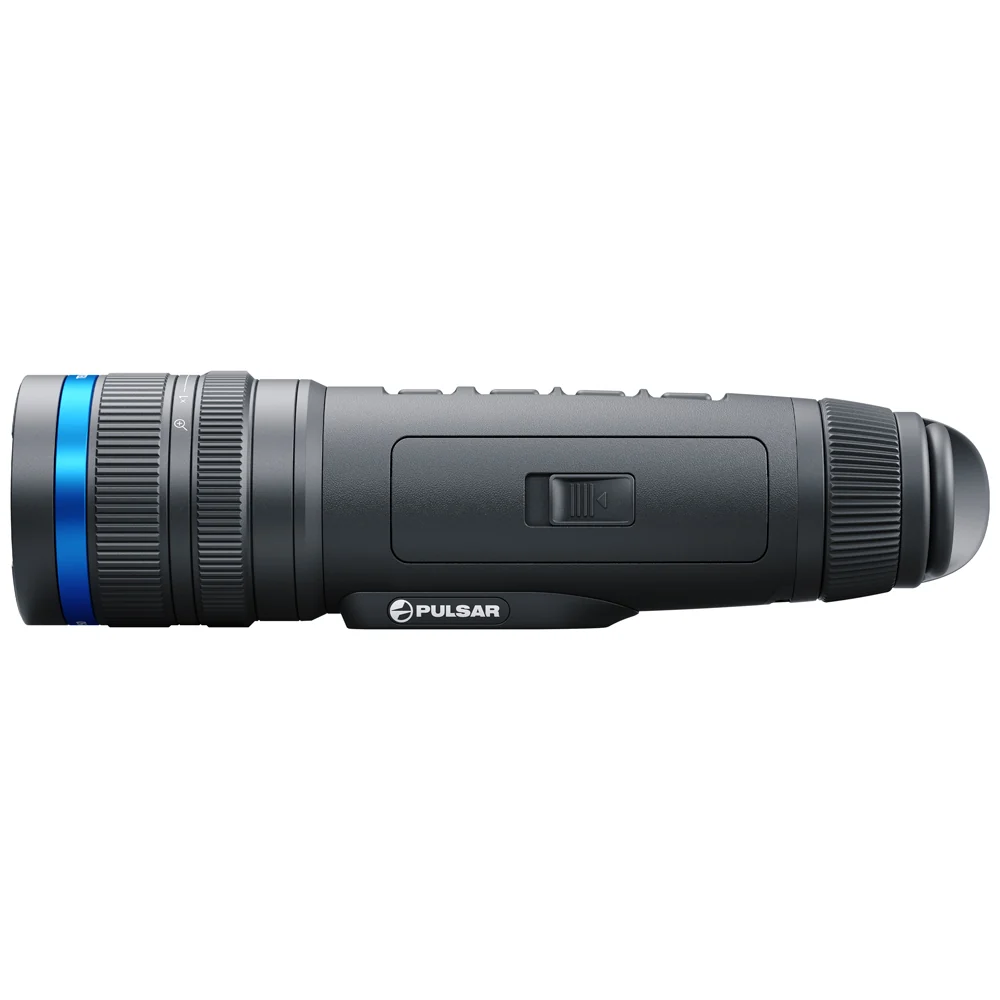
Pulsar Telos XG50 comprehensive review
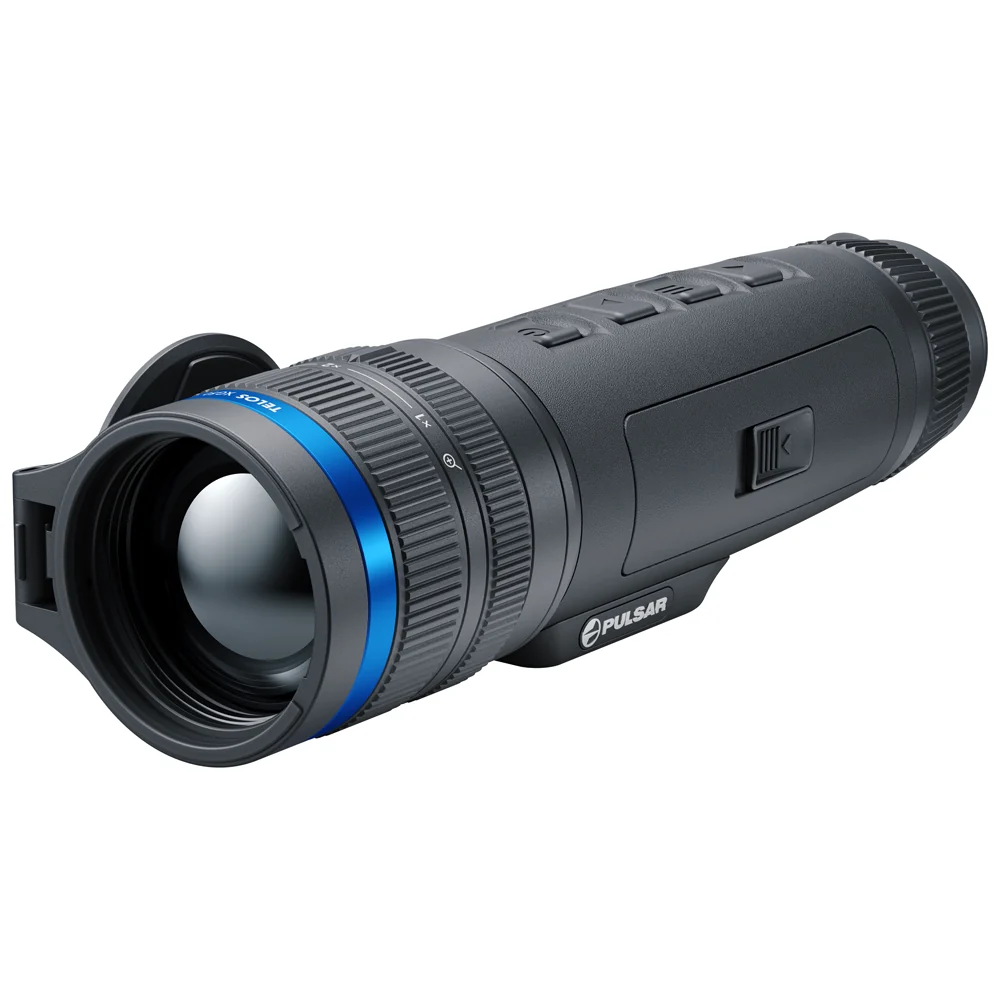
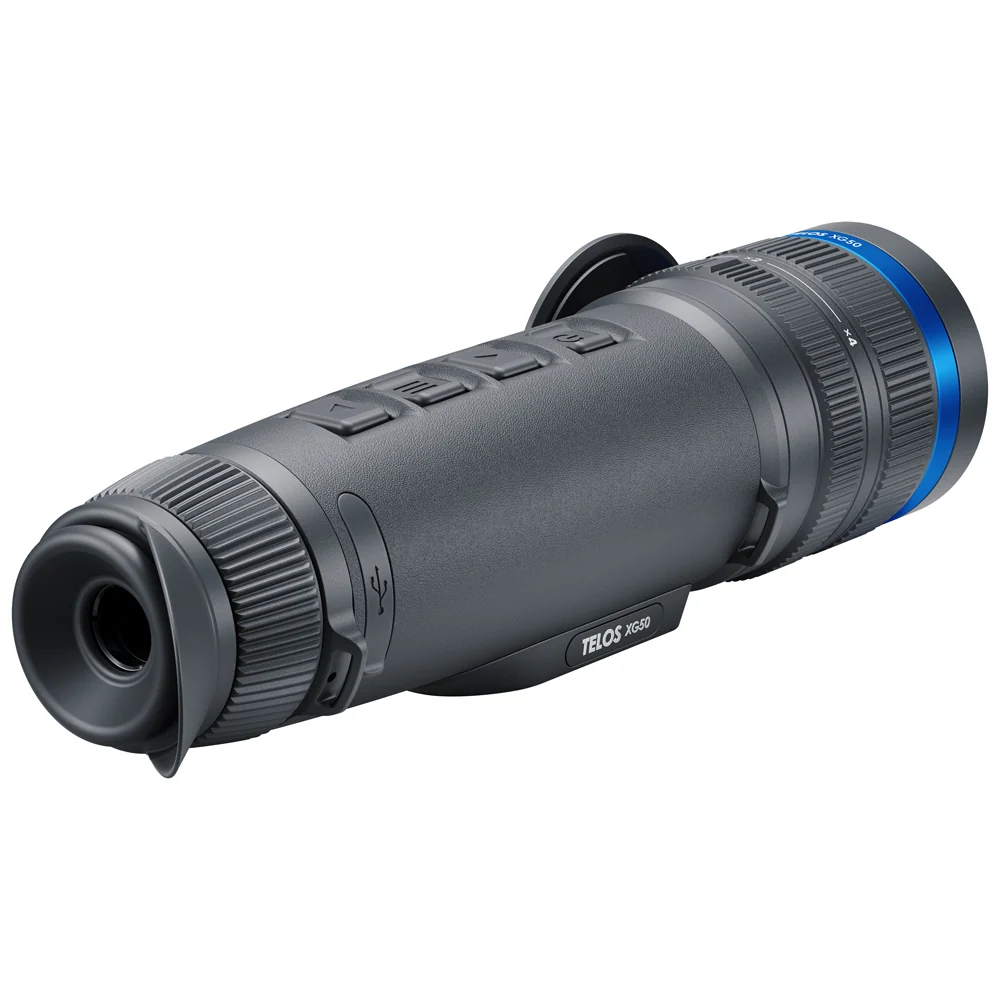
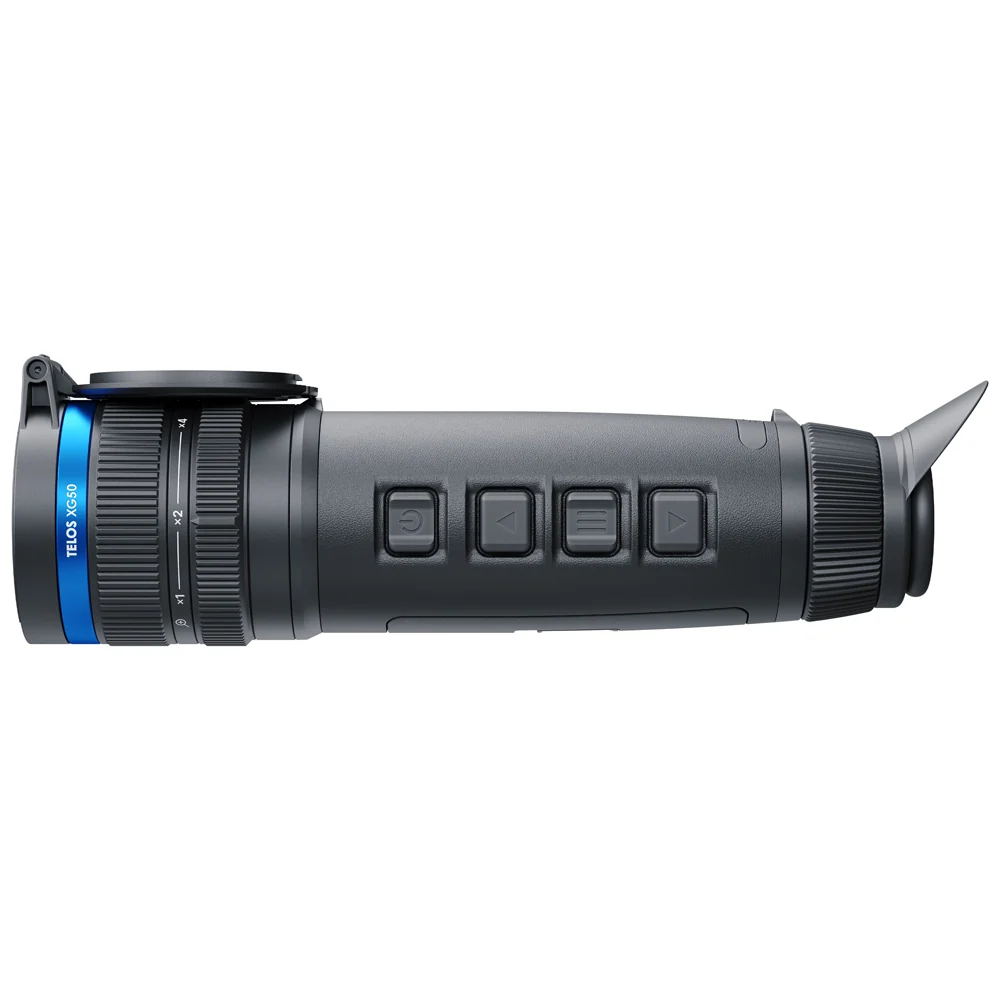
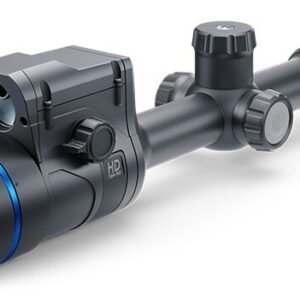
The Pulsar Telos XG50 is the value-long-range option in the Telos line. Its 640×480 sensor uses a fine 12 micron pixel pitch, which packs more detail into the image through the F50/1.0 lens, and it runs a higher base magnification than the XP50 for reaching in on distant targets. Detection stretches over 2,300 m, strong for a handheld unit.
The 12-micron sensor favors reach and detail over the XP50’s ultimate sensitivity, so on clearer nights it resolves distant game well. Image Boost processing keeps the picture clean, and the upgradeable Telos platform means you can add capability later. It is the pick for hunters who want long range and higher zoom without the flagship price.
The LRF version adds a laser rangefinder to 1,000 m with meter accuracy for confident distance calls. The LPS7i battery runs up to 8 hours, the rubberized housing is fully waterproof, and Stream Vision 2 covers recording and app control. For accessible long-range scanning, the XG50 delivers.
Key features and specifications
| Technical specification | Field performance value |
|---|---|
| Sensor resolution | 640×480, 12 microns |
| System NETD (thermal sensitivity) | Below 40 mK |
| Objective lens | 50 mm F/1.0 germanium |
| Magnification | Higher base zoom |
| Detection range | Over 2,300 m (2,500 yd) |
| Laser rangefinder | LRF version: up to 1,000 m (±1 m) |
| Frame rate | 50 Hz |
| Battery life | Up to 8 hours (LPS7i) |
| Protection | Waterproof, -25 to +50°C |
Real-world hunting scenarios and use cases
For a foxer scanning big open fields, the XG50’s 12 micron sensor and higher base zoom pick out and hold detail on a fox far out, where a lower-zoom monocular only shows a dot. With the LRF version, you range the target before switching to the rifle. It suits open-country hunters who want reach and detail at a sensible price.
Should I choose the Telos XG50 or XP50?
Choose the XG50 for higher base magnification, long-range reach, and a lower price, best on clearer nights and open ground. Choose the XP50 for the best thermal sensitivity and the cleanest image in fog, rain, and humidity. Both share the same 640×480 resolution. shop Pulsar thermal monoculars
Ryan –
No soporto esta aplicación. ¡Sinceramente, no creo que haya habido nunca una aplicación que odie más que esta! ¡Las aplicaciones de hace 10 años funcionaban mejor que esta! Las imágenes térmicas son increíbles, pero si piensas sacar tus archivos de esa cámara térmica, ¡buena suerte! Soy guía en el Parque Nacional de Yellowstone y pienso tapar todos estos logotipos hasta que consiga algún tipo de patrocinio; Vortex Optics está consiguiendo muchas ventas gracias a mí. Estoy harto de vender para una empresa sin recibir nada a cambio. ¡Os habéis perdido un montón de ventas! La llevé este fin de semana y cuatro personas diferentes me pidieron ver qué estábamos mirando. En cuanto la vieron, enseguida quisieron saber la marca, jajaja, ¡lo siento!
Ratliff –
Funciona de maravilla. Es un producto estupendo por ese precio. Es fácil de sujetar. Lo uso para avistar jabalíes. Estoy muy contento de haberlo comprado.
Mendez –
He probado varias cámaras térmicas de 640 núcleos y, para mí, la Telos XP50 es, sin duda, la mejor.
El sensor térmico es el mejor que he probado y destaca las señales térmicas de forma excelente.